Prosthetics
Prosthetic Foot Types: Questions to Ask Before Choosing

By Maegan Morrison, AOPA Certified prosthetist and orthotistUpdated
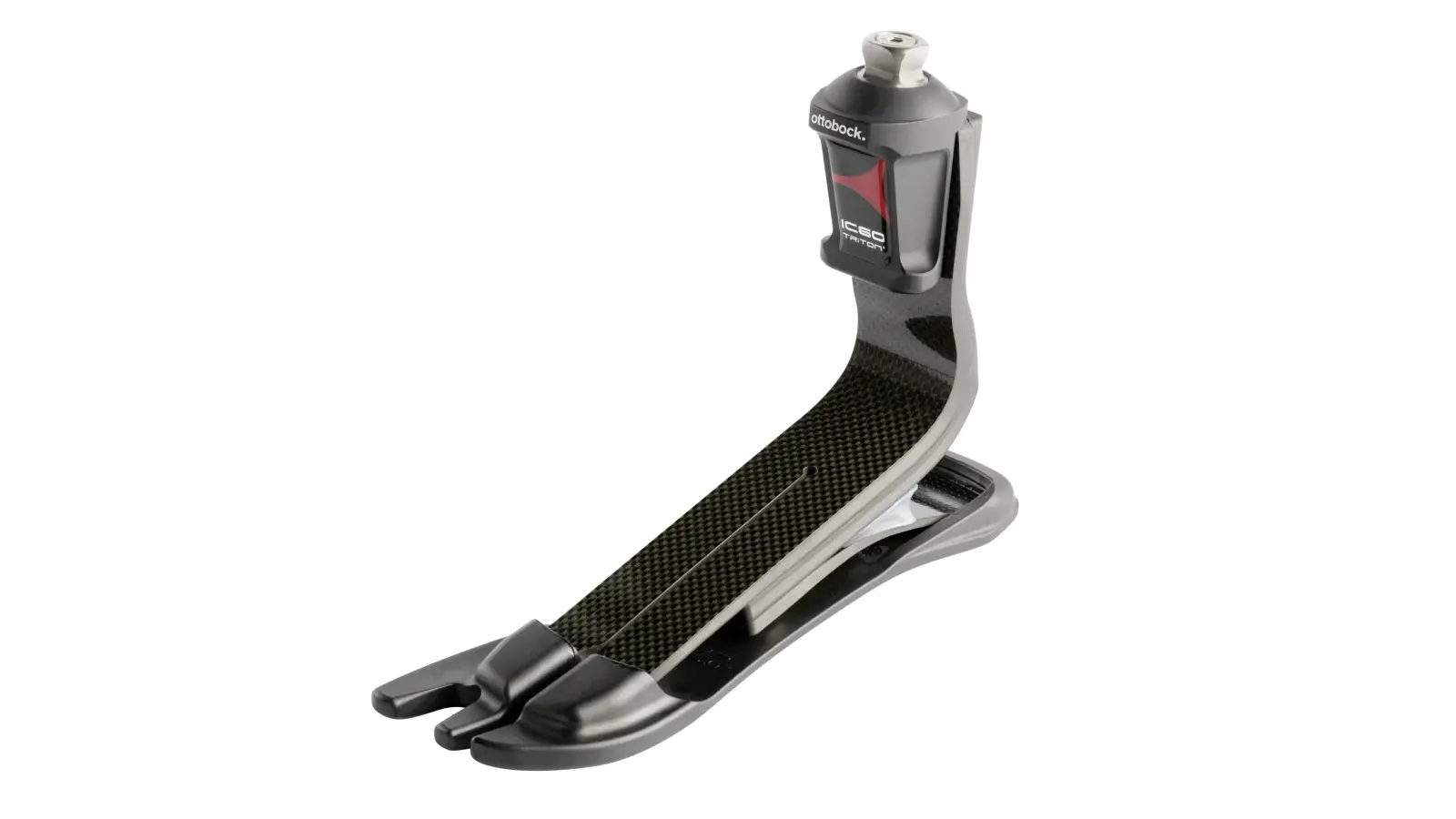
Prosthetic feet differ in how they move, respond to weight and work on different surfaces. The useful choice depends on your activities, the rest of your prosthesis and the space available for the foot. Compare what a design can do for your day, then check that it is suitable through assessment and, where available, a trial.
Start with the Whole Prosthesis
The foot is one component in a fitted system. Its behaviour works together with the socket, suspension and alignment. For an above-knee prosthesis, the knee component is also part of that system.
A new foot cannot compensate for every socket or suspension problem. If your main concern is rubbing, looseness or pain, describe that before discussing a different foot. The prosthetist needs to establish what is causing the problem.
Bring concrete examples of your daily use: the walk to the shops, a sloped driveway, standing at work or stepping between different surfaces. The names of the foot categories are useful, but those activities explain what needs assessment.
Our socket review guide covers fit concerns. Align’s below-knee and above-knee service pages explain the broader components of a leg prosthesis.
Common Foot Features Explained
| Type or feature | How it works |
|---|---|
| SACH: solid ankle cushioned heel | A relatively simple design with a cushioned heel and no moving ankle joint. |
| Articulated ankle | A joint permits movement in one or more directions, depending on the design. |
| Energy-storing foot | A flexible structure stores and releases energy as it is loaded during a step. |
| Hydraulic ankle | Fluid-based resistance controls ankle movement within the design’s range. |
| Microprocessor control | Sensors and electronics adjust aspects of the foot or ankle’s response. |
| Powered ankle-foot | A motor adds active power, rather than relying only on energy stored during loading. |
These features can overlap. A foot may combine an energy-storing structure with a hydraulic ankle, for example. A microprocessor does not necessarily mean the foot has a motor that provides push-off power.
Ask the prosthetist to explain the specific model being considered. A category name does not tell you its range of movement, weight, service needs or permitted environments.
Match Features to Tasks and Surfaces
A carbon fibre structure can act like a spring, while an ankle joint or hydraulic system can change how the foot moves relative to the leg. The practical question is how those features work for you during the tasks being assessed.
Discuss the difference between walking, standing and other activities. A foot that feels useful during a corridor walk may need further checking on the slopes or surfaces you use regularly. The trial should be planned safely with the clinical team.
- How does this foot behave when I stand still?
- What happens on my usual slopes, steps or uneven ground?
- How does it respond when I change walking speed?
- Does it suit the knee component, if I use one?
- What will I need to practise before using it in daily life?
There is no single best foot for every person. Research may support particular features for some walking needs, but the results do not identify one model that will work best for everyone. Your response during fitting and use matters.
Weight, Build Height and Footwear
Every foot has selection limits. The prosthetist checks body weight, foot size, intended activity and compatibility. The component’s rating must suit your use; a higher price is not a substitute for that check.
Build height means the space a component needs between the socket or knee and the ground. The length of your residual limb and the other components affect how much space is available. Not every foot fits every prosthetic setup.
Discuss footwear before choosing. Many feet are aligned for a particular heel height. Some have adjustment features, but those must be used as instructed. Ask what shoes you can use and whether changing footwear requires a prosthetic check.
Bring the shoes you plan to wear and tell the team if you regularly go barefoot or use very different work footwear. Do not change structural adjustments yourself to fit a new pair of shoes.
Trials, Everyday Feet and Sports Devices
Ask whether a trial of the proposed foot is possible and what it will include. Compare specific tasks with your current setup where practical. Useful notes include comfort, effort, confidence, control and difficulties that remain.
The socket fit and alignment need to be checked during a trial. Otherwise, it may be hard to separate the effect of the foot from the rest of the prosthesis. A trial result should explain both benefits and limits for the individual.
Running feet and activity-specific devices have different purposes from everyday walking feet. A running blade’s shape and response do not make it the automatic choice for daily standing and walking.
For a running goal, read the existing running prosthetics guide. For water use, read showering and swimming with a prosthetic leg and have the exact components checked. A foot’s water rating alone does not approve the whole leg for swimming.
Individual results vary. Agree how the team will assess a proposed change and how you will report your experience after fitting.
Questions About Care, Cost and Funding
- Why is this component being proposed for my assessed needs?
- Which alternatives were considered, and can I trial them?
- What maintenance, charging or service appointments does it need?
- What are the water, dust and load restrictions for this model?
- What is included in the quote, and what are the ongoing costs?
- Who handles repairs and what is the backup plan during servicing?
The quote should identify the component, the reason for it and the fitting work needed. If funding is involved, ask what assessment and approval are required. A clinical recommendation and a funding approval are separate steps.
A more complex component may bring additional care requirements as well as different functions. Ask how those requirements fit your daily routine, and what support is available if you need help with charging or maintenance.
The Australian prosthetic funding guide explains quote and scheme questions. Bring your current prosthesis and goals to an assessment so the discussion starts with what you need, rather than a catalogue ranking.
Frequently Asked Questions
What is the best prosthetic foot?
There is no single best foot for every person. Activities, body weight, available build height, the socket and other components, footwear and maintenance needs all affect the choice.
Is a microprocessor foot the same as a powered foot?
No. Microprocessor control uses electronics to adjust the response of a system. A powered foot adds active power through a motor. A component may have one or both features.
Can I use a running blade as my everyday foot?
Running feet are designed for a different purpose from everyday walking feet. Discuss standing, walking and sports needs with your prosthetist before deciding on an activity-specific device.
Related Guides and Services
Sources
Clinical guidance and manufacturer information checked on 10 October 2026. Your own fitting plan and the instructions for your device take priority.
About the author
Maegan Morrison
Maegan is an AOPA Certified prosthetist and orthotist on the Sunshine Coast. She runs Align Prosthetics and sees every client herself, at home or at the Birtinya clinic.
About MaeganChoose Around Your Daily Needs
Tell Maegan where you walk, what feels difficult and what you want to do. She can assess the whole prosthesis and discuss suitable foot options.
Open 7 days, 9am to 7pm. Home visits across the Sunshine Coast or our Birtinya clinic.