For solicitors, insurers and courts
Independent prosthetic and orthotic expert reports
Clear, impartial opinion on what an injured person needs from their prosthesis or orthosis, and what that care will cost over their lifetime. Prepared by an AOPA Certified prosthetist and orthotist.
- Plaintiff, defendant or joint
- 4–6 week turnaround
- Clinic or home assessment
Medico-legal report
Prosthetic & orthotic assessment
- Expert
- Maegan Morrison, AOPA Certified
- Claimant
- Instructed by
Lifetime cost schedule
| Item | Replace | Cost |
|---|---|---|
| Definitive prosthesis | 3–5 yrs | |
| Socket replacement | As required | |
| Liners and sleeves | 6–12 mths | |
| Clinical reviews | Scheduled |
What we provide
Support for your matter from first instructions through to resolution.
Clinical assessment
A structured examination of the claimant’s residual limb or affected anatomy, current devices, and function.
Lifetime cost schedule
Itemised future costs for devices, components, consumables, repairs and reviews, with replacement cycles.
Independent opinion
Whether current treatment and devices are reasonable, and what care the claimant will need from here.
Gait and function
Observed gait, balance and mobility, linked to the claimant’s work, home and community activities.
Records review
Medical, rehabilitation and prior prosthetic or orthotic records, so the opinion rests on the full history.
Expert evidence
Supplementary reports, conferences with counsel, joint expert meetings and oral evidence at hearing.
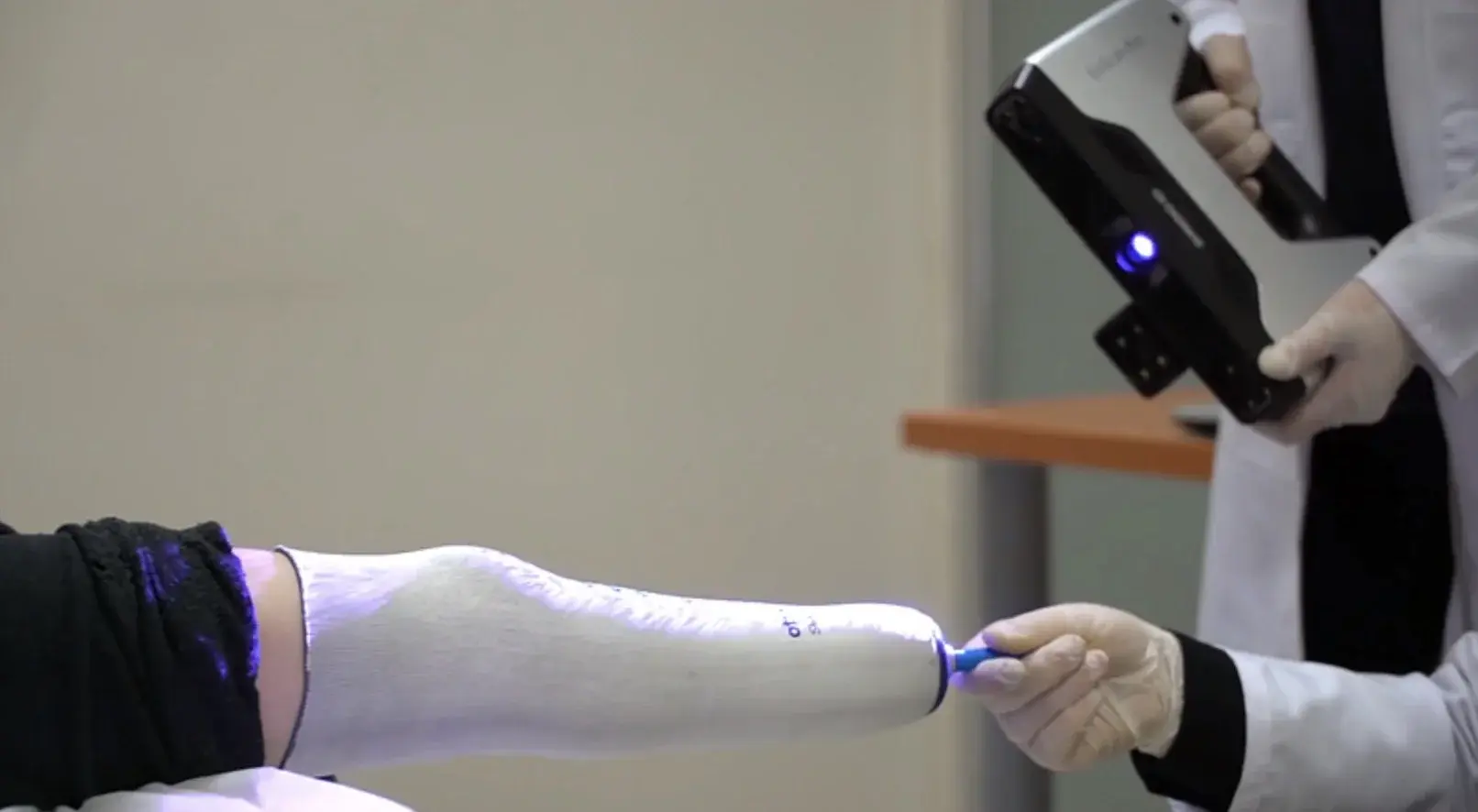
What the report covers
Each report follows the questions in your letter of instruction. Most address:
- 01Clinical findings and current presentation
- 02Review of current devices: fit, condition and suitability
- 03Opinion on treatment and rehabilitation to date
- 04Recommended future prosthetic or orthotic care
- 05Itemised lifetime cost schedule with replacement cycles
- 06Impact of the injury on function and daily living
- 07Answers to each question in your letter of instruction
Claims we report on
Compensation and insurance schemes across Australia where prosthetic or orthotic care is in issue.
How it works
- 01
Instructions
Send your letter of instruction and records. We confirm any conflicts and reply with a fee estimate and dates.
- 02
Assessment
The claimant attends a 60 to 90 minute assessment at our clinic or at home. It covers examination, devices and gait.
- 03
Report
We answer every question in your letter. Standard turnaround is four to six weeks, or sooner for court deadlines.
- 04
Follow-up
One round of supplementary questions is included. Conferences and oral evidence are available as needed.
Your expert
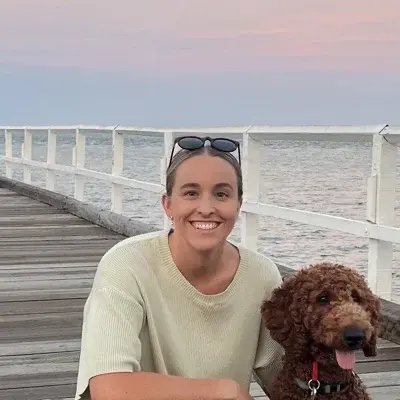
Maegan Morrison
AOPA Certified prosthetist and orthotist
Maegan leads clinical care at Align Prosthetics and prepares and signs every medico-legal report.
Postgraduate qualified
Master of Clinical Prosthetics and Orthotics and Bachelor of Health Science.
AOPA Certified
Certified Practising prosthetist and orthotist with the Australian Orthotic Prosthetic Association.
10+ years in practice
Public hospital, private practice and remote community settings.
Clinic or home
Birtinya clinic, home visits on the Sunshine Coast, and travel further afield by agreement.
New to instructing a prosthetic or orthotic expert?
Frequently asked questions
Who can instruct Align Prosthetics?+
How long does a report take?+
How are fees set?+
Where are assessments held?+
Can you give evidence in court?+
What if you have treated the claimant before?+
Do you act for both plaintiffs and defendants?+
Instruct Align Prosthetics
Send your letter of instruction
Email your letter and supporting records to hello@alignprosthetics.com.au. We reply with a fee estimate and assessment dates. Standard turnaround is four to six weeks from assessment to report.
Reports are prepared and signed by Maegan Morrison, AOPA Certified prosthetist and orthotist.
What to include
- Claimant details. Full name, date of birth, contact details, and any mobility or access needs for the assessment.
- Injury summary. Date and mechanism of injury, with a brief outline of the injuries sustained.
- Medical records. Surgical notes, discharge summaries, rehabilitation records and any previous expert reports.
- Prosthetic or orthotic history. Devices already prescribed, fitted or trialled, and who provided them.
- Your questions. The specific questions you want answered. These set the structure and focus of the report.
- Deadlines and instructing party. Court, conference or mediation dates, and whether you act for plaintiff, defendant or on joint instructions.