Prosthetics
Mechanical vs Microprocessor Prosthetic Knees: Questions to Ask Before a Trial
A prosthetic knee affects how an above-knee prosthesis responds when you stand, walk, turn and sit. Mechanical and microprocessor-controlled knees use different ways to manage that movement. The right comparison starts with your daily life and a careful assessment.
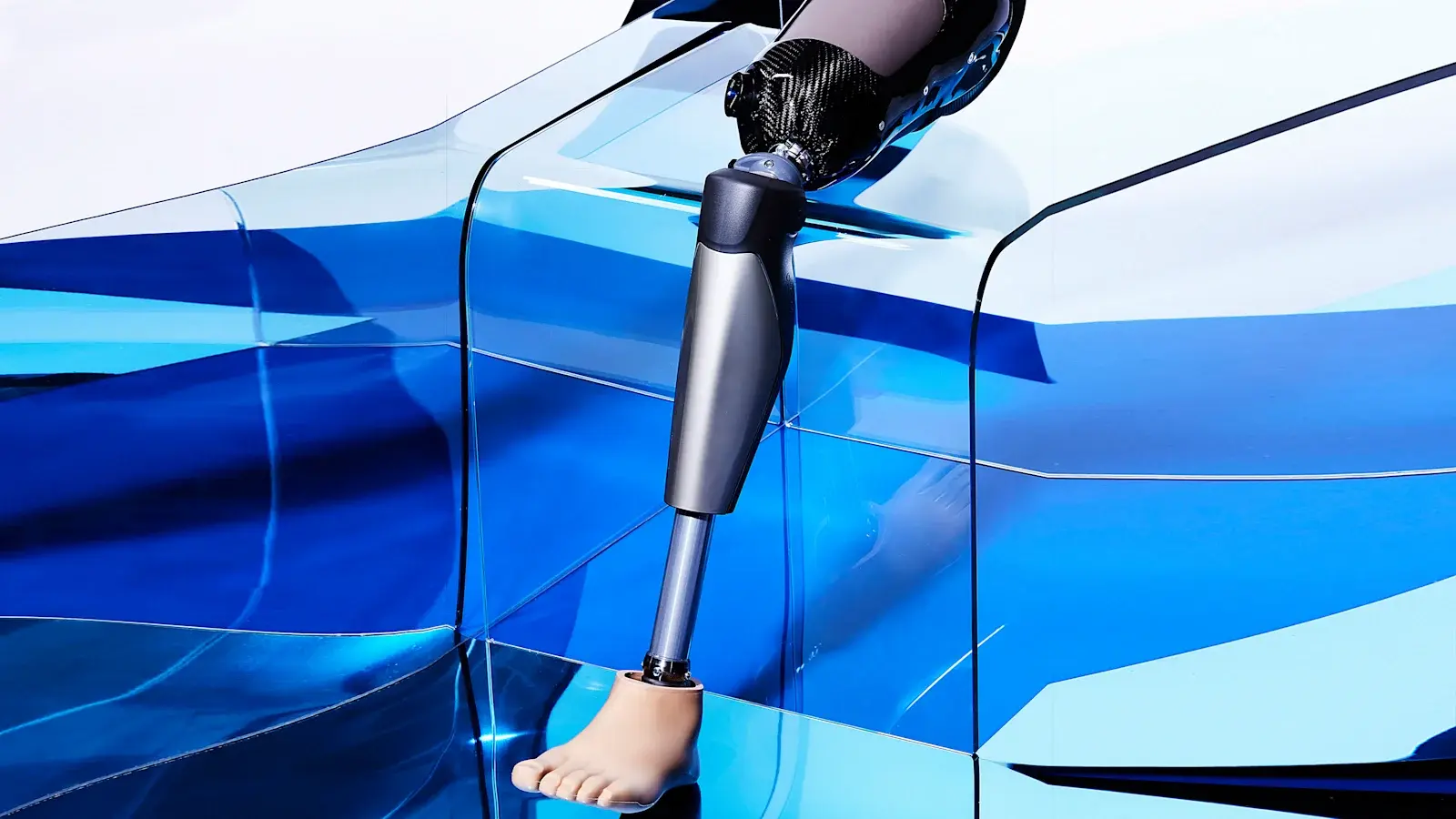
What the Two Terms Mean
A mechanical knee uses physical design, friction, locks, springs or other mechanical features to control movement. Some mechanical knees use hydraulic or pneumatic resistance. “Hydraulic” describes the way fluid helps control motion; it does not by itself mean the knee has a computer.
A microprocessor-controlled knee, often called an MPK, uses sensors and software to adjust resistance as you move. It generally controls how the knee resists bending. It is not usually a motor that powers your leg forward. Each model has its own settings, limits and instructions.
Neither label tells you everything about comfort, safety or suitability. The socket, alignment, foot, suspension, your rehabilitation and your ability to manage the component all matter.
| Question | Mechanical knee | Microprocessor knee |
|---|---|---|
| How is movement controlled? | Physical mechanisms, which may include friction, a lock, hydraulics or pneumatics. | Sensors and an electronic controller adjust resistance. The mechanism varies by model. |
| Does it need charging? | The non-electronic knee mechanism does not need a battery. | Usually. Confirm the charging routine and low-battery behaviour for the exact model. |
| Can it go in water? | Check the model’s instructions. Mechanical does not mean waterproof. | Check the model’s water rating and instructions, including any salt-water limits. |
| Does it need training and servicing? | Yes. Learn its use and follow the prescribed care and service plan. | Yes. Learn its use, controls and charging, and follow the prescribed service plan. |
Questions About Daily Use
Start with places and tasks. Tell your prosthetist whether you walk indoors, outdoors, on slopes, over uneven ground or around crowds. Discuss stairs, sitting, standing from a chair, carrying objects and the walking aids you use.
- How does the knee behave when I slow down, turn or stop?
- What happens if I stumble or put weight on it unexpectedly?
- What training and supervision are needed during a trial?
- Can I manage the controls, charging routine or app if the model uses one?
- Which activities are outside the component’s instructions?
A supervised trial can provide useful information. It is one part of assessment, not a guarantee that a particular knee will suit every situation.
Charging, Water and Servicing
Many MPKs need a rechargeable battery. Ask how long a charge lasts in your usual pattern, what happens when the battery is low and how the knee behaves if it is switched off. Include charging access in your travel and work plans.
Water protection is model-specific. Some components have a stated water resistance rating; others must stay dry. Ask about rain, puddles, swimming, showering, salt water and drying. Follow the instructions for the exact model supplied.
Electronic and mechanical knees both need care and servicing. Ask how often the component needs review, what repairs are available locally, what consumables are covered and what to do if you hear a new noise or feel a change. Do not open or adjust the knee yourself.
Making the Comparison With Your Prosthetist
Your assessment should include your residual limb, strength, balance, walking pattern, goals, environment and funding pathway. It should also consider whether you can put on the prosthesis, charge it, follow its instructions and attend servicing.
Ask for the proposed model, its written instructions and the limits that apply to you. Ask what a trial will measure. You might record stability, effort, confidence, speed, fatigue and how the knee handles your usual surfaces.
There is no universal best knee. The useful choice is the one that fits the clinical assessment, your goals and the support available. Our above-knee prosthetics service can discuss the assessment process. Read the first above-knee fitting guide for the wider fitting pathway.
Questions to Take to a Trial
- Which exact knee is being considered, and why?
- What will I practise and what will the team observe?
- What are the charging, water and activity limits?
- What happens if the trial shows the knee is not suitable?
- What are the fitting, training, servicing and repair arrangements?
- Which costs and funding approvals need to be confirmed?
Write down the answers. Take someone with you if you want help remembering the discussion. A clear plan makes it easier to compare a component with your real needs.
Frequently Asked Questions
Is a microprocessor knee motorised?
Usually no. It generally uses sensors and a control system to adjust resistance in the knee. It does not usually power your walking like a motorised leg.
Are microprocessor knees waterproof?
Limits vary by model. Check the manufacturer’s instructions for the exact knee and ask how it should be protected, dried and serviced.
How do I compare a mechanical and microprocessor knee?
Discuss your walking needs, safety, environments, training, charging, servicing, funding and ability to manage the component. A supervised trial may help assess how a knee suits you.
Related Guides and Services

Discuss Your Prosthetic Knee Options
Speak with Maegan about your walking goals, assessment and the next step in choosing a prosthetic knee.
Open 7 days, 9am to 7pm. Home visits across the Sunshine Coast or our Birtinya clinic.