What Does a Prosthetic Liner Do? Understanding Your Most Important Interface

Your prosthetic liner is the interface between your residual limb and prosthetic socket. It's often the first thing people blame when comfort issues arise, but the reality is more complex. Your liner is one piece of a larger system that includes suspension method, socket fit, prosthetic alignment, and componentry—all working together to determine comfort.
This guide clarifies what liners actually do, the different materials available, and how liner material differs from suspension systems. Understanding these distinctions helps you have more productive conversations with your prosthetist about what's working and what needs adjustment.
Key Takeaways
- Your prosthetic liner provides cushioning and skin protection—it's the interface material, not necessarily your suspension system
- Three main materials: silicone, urethane, and TPE
- Liner material and suspension method are separate considerations—the same liner material can work with pin-lock, suction, vacuum, or lanyard suspension
- Comfort depends largely on five factors: liner material, suspension system, socket fit, prosthetic alignment, and componentry—with socket fit typically having the greatest impact
- NDIS funding may cover liner replacement every 6–12 months depending on material and usage
What a Prosthetic Liner Actually Does
A liner's primary job is to protect your skin and provide cushioning over bony prominences—the parts of your residual limb where bone sits close to the skin surface. It creates a protective layer that distributes pressure more evenly across your residual limb.
Liners also help manage friction between your skin and the socket wall. When you walk, subtle movements occur between your limb and socket. The liner material absorbs some of this movement, reducing the shear forces on your skin that can otherwise cause blisters and breakdown.
It's important to understand that whilst many modern liners also incorporate suspension features (like pin-locks or seal-in systems), the liner material itself is separate from how your prosthesis stays attached to your limb. You can have the same silicone liner material configured for different suspension methods.
Important: Prosthetic liner selection involves two distinct decisions: (1) which material suits your residual limb condition and activity level, and (2) which suspension method works best for your lifestyle and socket design. Your prosthetist should assess both independently, as they each affect comfort differently.
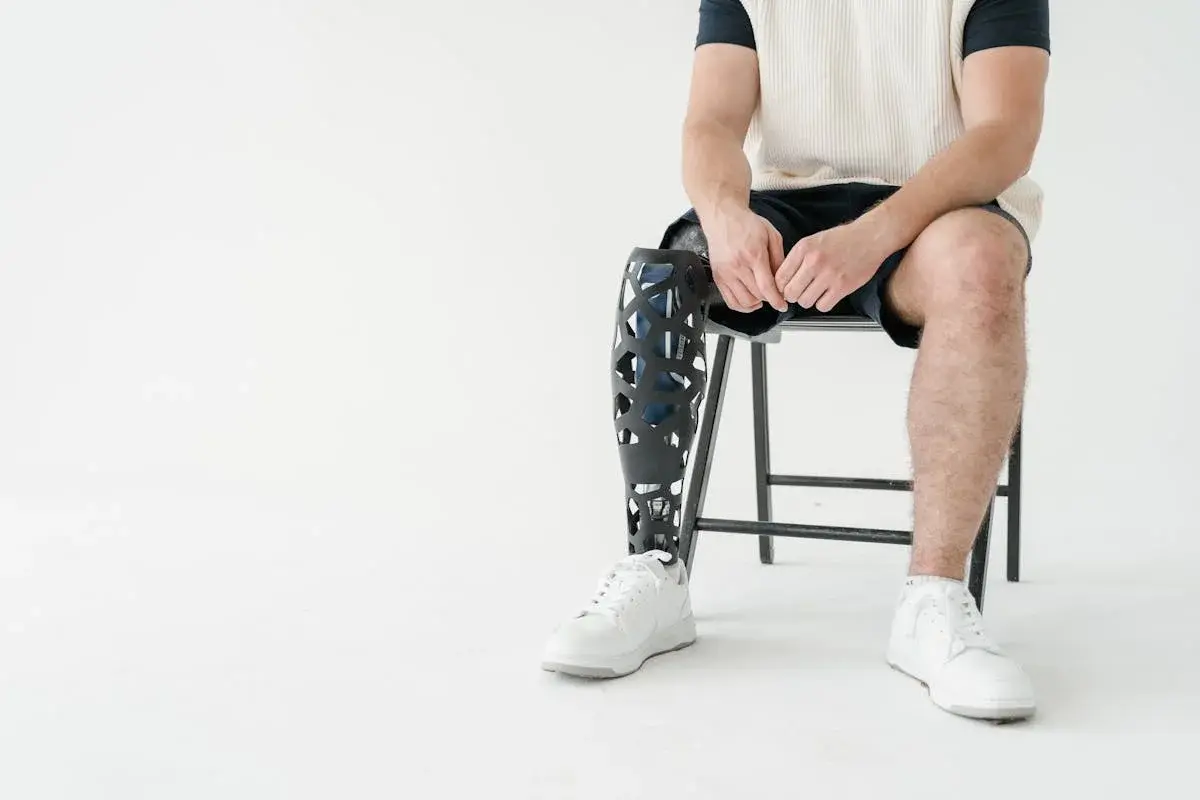
The Five Factors That Affect Prosthetic Comfort
Before diving into liner materials, it's worth understanding the five key elements of your prosthesis that all contribute to comfort:
1. Socket Fit
The most critical factor. Even the perfect liner won't compensate for a poorly fitting socket.
2. Prosthetic Alignment
Misalignment creates uneven pressure distribution that no liner can fix.
3. Suspension System
How your prosthesis attaches affects comfort, confidence, and how the limb behaves during activity.
4. Liner Material
The interface quality matters, but only once fit, alignment, and suspension are optimised.
5. Distal Componentry
Your foot, shock absorption features, and adaptors like torsion devices affect how forces transmit up through the socket.
This guide focuses on liner materials and suspension, but remember that comfort issues often stem from fit or alignment problems rather than liner choice alone.
The Three Main Liner Materials
Silicone Liners
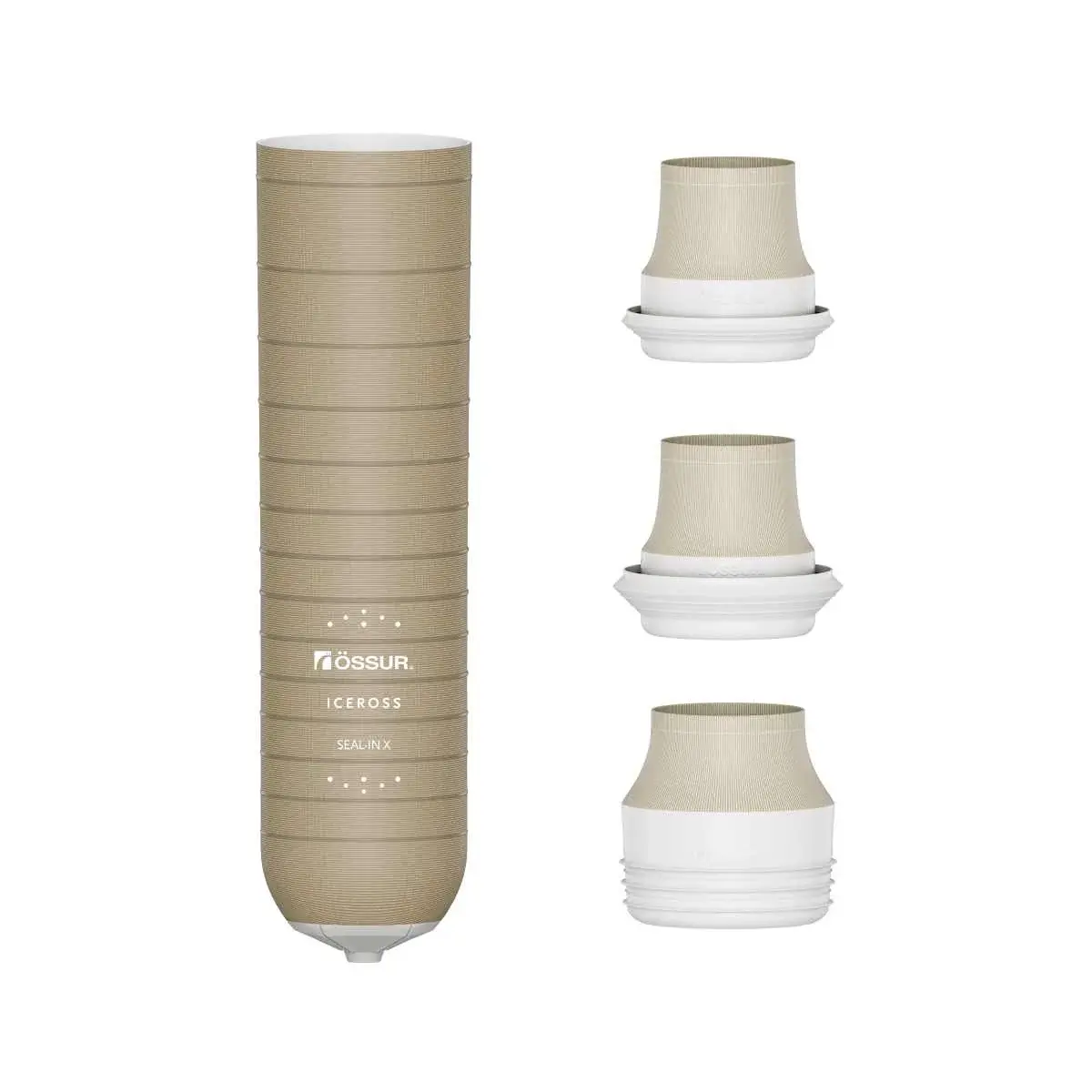
Medical-grade silicone is the most widely used liner material. It offers excellent durability, consistent performance, and comes in multiple durometers (stiffness levels). A softer durometer provides more cushioning for bony residual limbs or sensitive areas, whilst firmer durometers offer better stability for muscular limbs or high-activity users.
Advantages:
- •Most durable—typically lasts 6–12 months with daily use
- •Available in multiple durometers to match residual limb characteristics
- •Excellent heat resistance—won't soften or deform in Queensland summers
- •Hypoallergenic—suitable for sensitive skin
- •Versions available for most suspension systems
Trade-offs:
- •Higher cost than TPE alternatives
- •Can feel firmer or more compressive initially, compared to urethane or TPE
- •Less inherent moisture management than some newer materials
Urethane Liners
Urethane (also called polyurethane or copolymer) liners feel softer and more cushioned than most silicone formulations. They conform well to residual limb shape, providing excellent pressure distribution. Many prosthetists favour urethane for clients with significant bony prominences or extensive scarring.
Advantages:
- •Softest feel—excellent for sensitive or bony residual limbs
- •Good conformability for irregular limb shapes
- •Wide range of sizing or custom shaping available
- •Comfortable from initial fitting
Trade-offs:
- •Shorter lifespan than silicone
- •Can stretch and lose shape over time
- •Less suitable for very high-impact users
Thermoplastic Elastomer (TPE) Liners
TPE liners offer reasonable performance at a lower cost point. They sit between silicone and urethane in most properties.
Advantages:
- •Most affordable option
- •Suitable for low-to-moderate activity levels
- •Works with multiple suspension systems
Trade-offs:
- •Less durable than silicone under heavy use
- •Can become tacky or degrade faster in hot climates
- •Not ideal for high-activity prosthetic users
Understanding Suspension Systems (Separate from Liner Material)
This is where many people get confused: your liner material is one decision, and your suspension system is another. The same silicone liner material can be manufactured with different suspension features:
Pin-Lock Suspension
A pin extends from the distal end of the liner and locks into a mechanism at the bottom of the socket. This provides secure attachment and is easy to don and doff. Pin-lock works with silicone or TPE liner materials.
Suction (Seal-In) Suspension
The liner incorporates a seal—typically a band of material near the proximal trim—that creates an airtight seal against the socket wall. This can be passive suction (air expelled during donning) or active vacuum (using a pump). Available in all liner materials.
Lanyard Suspension
A lanyard or strap threads from the liner and through the socket, allowing you to pull the liner and residual limb firmly into the socket. Available on silicone or TPE liners.
Anatomical Suspension
Some liners have no built-in suspension features and rely on the socket design itself—such as supra-condylar brim shapes—to hold the prosthesis in place. In these cases, the liner provides cushioning and skin protection only, with the socket doing all the work of keeping everything attached.
Caring for Your Prosthetic Liner
Proper liner care directly affects both hygiene and lifespan. A well-maintained liner lasts longer and reduces the risk of skin irritation or infection.
Daily Care:
- •Wash the inside of your liner with mild soap and lukewarm water after each wear
- •Rinse thoroughly—soap residue can irritate skin
- •Allow the liner to air dry completely before the next use (or dry with a lint-free cloth)
- •Wipe the outside surface with a damp cloth to remove any residue
- •Inspect the liner for tears, thin spots, or tackiness changes
When to See Your Prosthetist:
- •Visible tears, cracks, or delamination in the liner material
- •The liner has stretched noticeably and no longer fits snugly
- •Persistent skin redness, rash, or breakdown under the liner
- •The liner feels sticky or tacky in a way it didn't previously
- •You notice increased pistoning (movement between limb and socket)
Tip: In Queensland's warmer climate, moisture management is particularly important. Some clients find that using a prosthetic sock liner or antiperspirant designed for prosthetic use helps manage perspiration during summer months. Discuss options with your prosthetist.
Liner Replacement and Funding
Prosthetic liners are consumable items—they wear out with regular use and need periodic replacement. Replacement frequency depends on your liner material, activity level, and how well the liner is maintained.
Typical Replacement Timelines
- Silicone liners: Every 6–12 months with daily use
- Urethane liners: Every 4–9 months, depending on activity level
- TPE liners: Every 3–6 months under regular use
NDIS funding: Liner replacement may be covered under your NDIS plan as a consumable or assistive technology item, depending on cost and plan category. Your prosthetist can provide documentation to support funding applications, including evidence of wear and clinical justification for the liner type prescribed. For detailed information about funding pathways, see our prosthetic and orthotic funding guide.
Other funding pathways: DVA, WorkCover, NIISQ, and some private health insurance extras policies may also contribute to liner replacement costs. Your prosthetist can advise on which pathways apply to your circumstances.
Choosing the Right Prosthetic Liner
Liner selection is a clinical decision made collaboratively between you and your prosthetist. There is no single "best" liner—the right choice depends on your individual circumstances.
Factors your prosthetist will consider include:
- Residual limb condition — Bony prominences, scarring, skin sensitivity, and limb shape all influence which material provides the most appropriate interface.
- Activity level — Higher-impact activities may require more durable materials and specific suspension methods.
- Climate and perspiration — Queensland's warm climate can affect material performance and skin health under the liner.
- Socket design and suspension — Your liner must be compatible with your socket's suspension system.
- Funding and budget — Material choice affects both upfront cost and replacement frequency, which your prosthetist can factor into recommendations.
Important: If you're experiencing discomfort, don't assume the liner is the problem. As discussed earlier, socket fit and alignment issues are more common causes of prosthetic discomfort. Raise any concerns with your prosthetist so they can assess the full system, not just the liner in isolation.
How Align Prosthetics Can Help
Align Prosthetics provides comprehensive prosthetic liner assessment and fitting as part of our prosthetic services throughout the Sunshine Coast and South East Queensland. Our prosthetists assess your residual limb condition, activity requirements, and lifestyle to recommend the most appropriate liner material and suspension system for your needs. We work with NDIS, DVA, and other funding bodies to support your applications for prosthetic components including liner replacements.
Disclaimer: Individual results vary. This information is educational and does not replace professional medical advice. Prosthetic liner selection requires assessment by a qualified prosthetist. Consult with a qualified orthotist or prosthetist to discuss your specific needs.
Frequently Asked Questions
What is a prosthetic liner made of?▼
Prosthetic liners are typically made from one of three materials: medical-grade silicone, urethane (polyurethane or copolymer), or thermoplastic elastomer (TPE). Each material has different properties in terms of cushioning, durability, and cost. Your prosthetist will recommend a liner material based on your residual limb condition, activity level, and other individual factors.
How often should I replace my prosthetic liner?▼
Replacement frequency depends on the liner material and your activity level. Silicone liners typically last 6–12 months, urethane liners 4–9 months, and TPE liners 3–6 months with daily use. Signs that replacement is needed include visible wear, stretching, tackiness or pilling, or skin irritation. Your prosthetist can assess liner condition during regular review appointments.
Does the NDIS cover prosthetic liners?▼
Prosthetic liners may be funded through the NDIS as consumable items or under assistive technology categories, depending on cost and your plan. Your prosthetist can provide the clinical documentation needed to support your funding application. Other pathways such as DVA and WorkCover may also apply. See our funding guide for more detail.
What is the difference between a prosthetic liner and a prosthetic socket?▼
The socket is the rigid outer shell of your prosthesis that is custom-shaped to your residual limb. The liner is a flexible sleeve worn directly against your skin inside the socket. The liner provides cushioning and skin protection, whilst the socket provides the structural support and shape. Together with the suspension system, they form the interface between your body and the prosthesis.
Can I wear the same liner with a different prosthetic socket?▼
In many cases, yes—if the new socket is designed to work with the same liner type and suspension method. However, changing sockets may require a different liner size, profile, or suspension configuration. Your prosthetist will assess compatibility when any part of the prosthetic system changes.
How do I clean my prosthetic liner?▼
Wash the inside of your liner daily with mild soap and lukewarm water, rinse thoroughly, and allow it to air dry completely before the next use. Avoid harsh chemicals, alcohol-based cleaners, or hot water, as these can degrade the liner material. Your prosthetist can recommend specific cleaning products if needed.
Why does my prosthetic liner feel uncomfortable?▼
Liner discomfort can have several causes, and the liner itself may not be the problem. Common factors include socket fit changes (due to volume fluctuations in your residual limb), alignment issues, worn liner material, skin irritation from inadequate cleaning, or an incompatible suspension system. If you're experiencing discomfort, consult your prosthetist for a full assessment rather than assuming the liner needs replacing.
Align Prosthetics provides prosthetic liner assessments, fitting, and ongoing support throughout the Sunshine Coast and South East Queensland. We work with NDIS, DVA, and other funding bodies to support your prosthetic care.
Book Your Prosthetic AssessmentRelated Resources
NDIS Prosthetic Funding Guide
Understanding funding options for prosthetics and orthotics including NDIS, DVA, and other pathways.
Running Prosthetics for Athletes
A complete guide to running blades, sports prosthetics, and NDIS funding for athletes.
The Essential Guide to AFO Types
Detailed comparison of solid, hinged, posterior leaf spring, and carbon fibre AFO designs.