The Essential Guide to AFO Types: Finding the Right Ankle-Foot Orthosis

You've just been told you need an ankle-foot orthosis. Maybe your neurologist mentioned it after your stroke. Perhaps your child's paediatrician recommended one for cerebral palsy. Or you're dealing with foot drop from MS, and walking has become exhausting.
Here's what they probably didn't tell you: not all AFOs are created equal. The difference between a solid ankle and a hinged design isn't just technical jargon — it's the difference between being able to walk downstairs comfortably or struggling every time. It's whether you can play with your kids at the park or stay home because you're worried about tripping.
AFOs are the most commonly prescribed orthotic device in Australia¹, yet most people don't understand their options until they're already wearing one that doesn't quite work. Let's fix that.
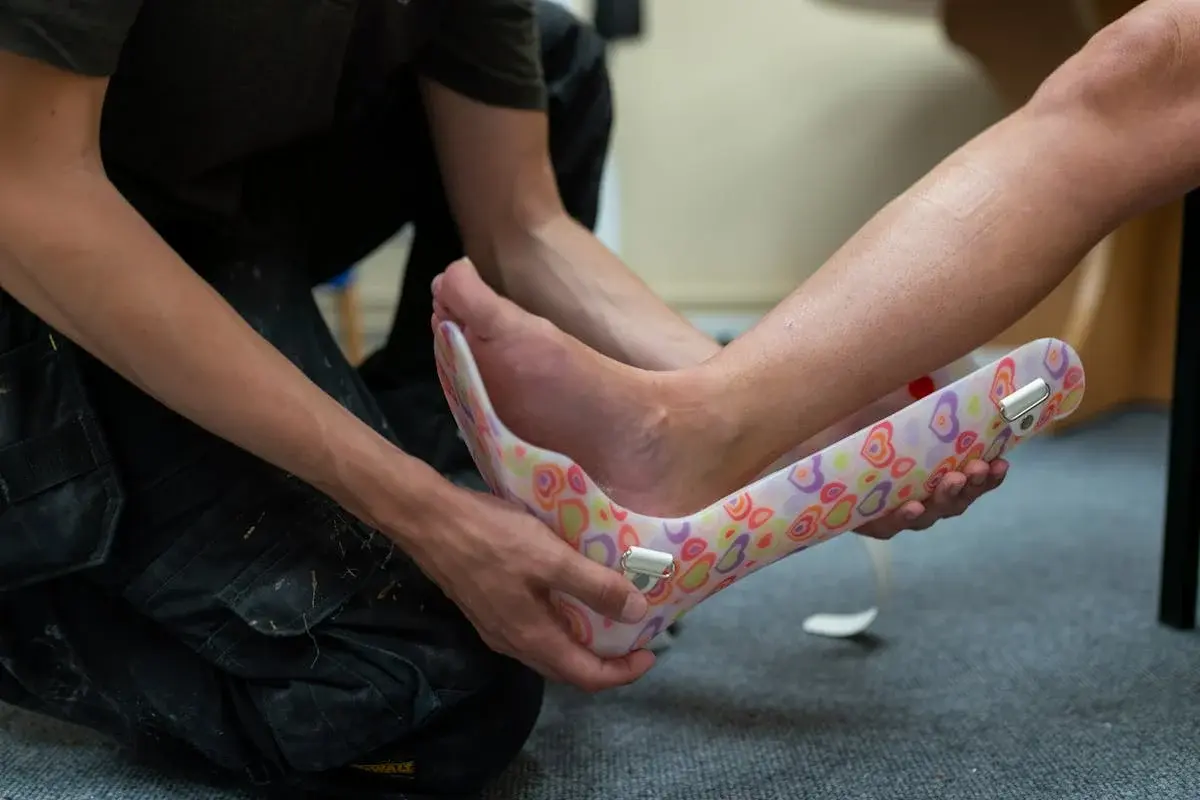
What an AFO Actually Does (Beyond 'Supporting Your Ankle')
An ankle-foot orthosis does more than prop up a weak ankle. These devices control movement across multiple planes, influence how your knee functions during walking, and can dramatically reduce the energy you burn just getting around.
For stroke survivors, AFOs improve walking speed by an average of 0.14 metres per second and increase stride length significantly². That might not sound like much until you realise it's the difference between safely crossing a Brisbane intersection before the light changes or not.
Children with cerebral palsy wearing AFOs show improved balance, functional mobility, and reduced energy expenditure³. Parents report their kids can participate in activities they previously avoided — school sports days, playground equipment, walking to a mate's house.
The Main AFO Types You'll Encounter
Solid Ankle AFO (AFO)
This is the workhorse. A solid ankle AFO prevents both plantarflexion (foot dropping down) and dorsiflexion (foot lifting up). The ankle stays locked at a set angle — usually neutral, or the closest/best position we can get the ankle to.
Best for:
- •Severe foot drop where the ankle muscles can't generate any useful movement
- •Significant ankle instability (rolling inward or outward)
- •High muscle tone that needs firm control
Trade-off:
- •Stairs and slopes feel unnatural (you can't adjust your ankle angle)
- •Reduced proprioception — you lose some feel for the ground
- •Can be a bit too restrictive for sports or high activity levels
Hinged (Articulated) AFO (AAFO)
These incorporate ankle joints — usually metal or carbon fibre hinges that allow controlled movement. Some ankle joints allow you to adjust stiffness, set dorsiflexion assists, or add plantarflexion stops.
Hinged AFOs offer adjustability to address specific foot and ankle issues whilst improving balance and facilitating more functional gait patterns⁴. They let your ankle move through a set range whilst preventing problematic positions.
Best for:
- •People who have some flexibility in their ankle joint, but can't control the movement due to weakness or increased muscle tone
- •People who need to navigate varied terrain (Queensland's hilly suburbs aren't flat)
- •Active individuals who want more natural movement
Trade-off:
More complex, requiring periodic adjustments and maintenance. Not suitable if you have limited flexibility in your ankle.
Posterior Leaf Spring (PLS)
The minimalist option. A thin, flexible piece of plastic runs up the back of your leg, providing just enough spring to lift your foot during swing phase. It doesn't restrict plantarflexion, so your ankle can still move downward.
Best for:
- •Mild foot drop without high muscle tone
- •People who want a low-profile design to fit a large range of shoes
- •Conditions like localised nerve injury, or early MS
Trade-off:
Polypropylene PLS AFOs lose stiffness and can deform after about 90,000 gait cycles⁵. That's roughly 6-12 months of daily use. Carbon fibre versions last longer but cost more.
Ground Reaction AFO (GRAFO)
This design wraps onto the front of your shin, with a broad, rigid anterior (front) shell. It applies a knee extension moment during stance phase — basically, it helps keep your knee from buckling by controlling how forces transfer through your ankle.
Best for:
- •Calf weakness such as in conditions like Charcot Marie Tooth (CMT)
- •Mild knee instability combined with ankle weakness
- •Balance issues in quiet standing that is caused by calf weakness
Trade-off:
Can be difficult to put on or fit into shoes. Not for everyone, but life-changing for those who need it.
Supramalleolar Orthosis (SMO) and UCBL
These shorter devices stop just above the ankle bones. They control foot position and support the arches but allow ankle movement. The UCBL (University of California Biomechanics Laboratory) variant is even shorter, and targeted mostly at correcting heel and arch positioning.
Best for:
- •Mild idiopathic toe-walking
- •Mild hindfoot and midfoot instability or weakness
- •Young children with mild weakness but not yet requiring AFOs, such as Ehlers Danlos syndrome (EDS)
Note:
SMOs enhance foot stability while allowing freedom of movement during sit-to-stand transitions⁴. They're less effective for managing significant equinus but can work brilliantly for positioning issues.
Materials Matter: Polypropylene vs Carbon Fibre
Most AFOs use either thermoplastic (typically polypropylene) or carbon fibre composite. This isn't an aesthetic choice — the material fundamentally changes how the orthosis performs.
Polypropylene (Plastic) AFOs
Advantages:
- •Lower cost
- •Easy to modify and adjust after fabrication
- •Can be heat-moulded for perfect fit
- •Good for growing children who'll need replacements
Drawbacks:
Heavier, bulkier, and can feel 'clunky'. Less durable under repeated stress. Can become brittle over time.
Carbon Fibre AFOs
Carbon fibre AFOs maintain their mechanical properties far better than plastic versions. Research shows they don't lose stiffness or deform even after extended use⁵, making them ideal for active individuals.
Advantages:
- •Extremely lightweight and thin profile
- •Energy return at toe-off (spring-like push)
- •Superior durability and longevity
- •Better for sports and high activity levels
Drawbacks:
Significantly more expensive (often 2-3x the cost). Minimally adjustable once fabricated. Resin can be brittle if design loads are exceeded.
Studies comparing the two found no significant difference in walking performance for chronic stroke patients⁶. Both materials improved gait parameters equally. Your choice often comes down to lifestyle, activity level, budget, and personal preference.
Custom vs Prefabricated: When It Actually Matters
Prefabricated (off-the-shelf) AFOs have improved dramatically. Many stock designs now work brilliantly for straightforward cases, cost less, and get you walking sooner — sometimes within a week rather than the 3-4 weeks custom fabrication requires.
Go custom if you have:
- Significant deformities or asymmetries
- Complex needs requiring precise control
- Pressure-sensitive skin or previous breakdown
- Unusual limb dimensions
Our Sunshine Coast-based orthotist can assess whether a prefab device will work or if custom fabrication is worth the additional investment and wait time.
Paediatric AFOs: What Parents Need to Know
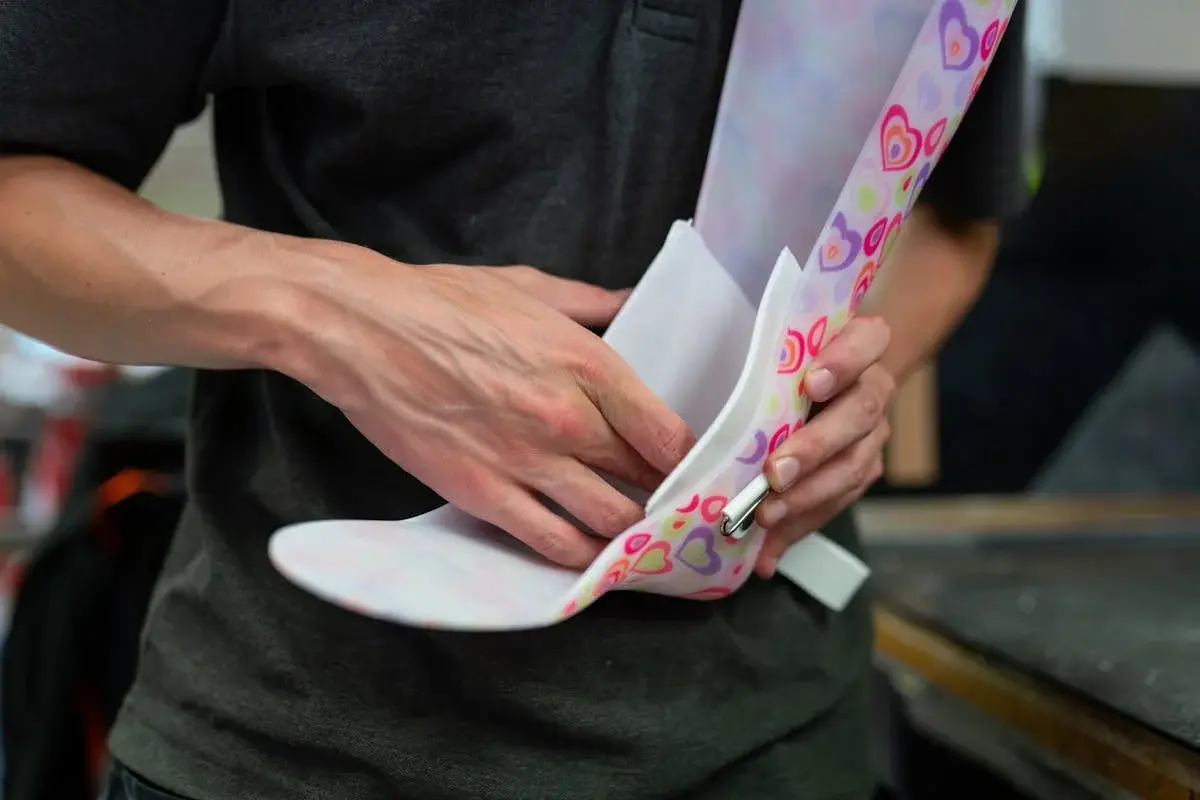
Children with cerebral palsy represent the largest group of paediatric AFO users in Australia. Up to 70% of kids at GMFCS levels IV and V use AFOs⁷. The prescriptions differ from adult devices because children are still growing and developing motor patterns.
About 73% of children using AFOs to improve function achieve their prescribed goals⁷ — that's walking more independently, better balance, or easier participation in activities.
Key considerations:
- Regular reviews every 6-12 months to accommodate growth
- Balancing support with motor learning opportunities
- Ensuring devices work with school shoes and activities
- Managing emotional acceptance (kids notice differences)
It's important to ensure time and consideration is given to aesthetics and customisation options that help with compliance. Kids can choose colours and designs, making the device feel less medical and more personal.
NDIS Funding for AFOs in Queensland
AFOs typically fall under Assistive Technology in your NDIS plan. Funding can cover custom fabrication, adjustments, replacements due to wear or growth, and related orthotist consultations.
What NDIS will fund:
- Prefabricated or Custom AFOs prescribed by specialists
- Materials justified by activity needs (carbon fibre for active users)
- Regular adjustments and maintenance
- Replacement due to wear, growth, or condition changes
- Specialist footwear if it is required to fit your AFO, or complement the prescription
A comprehensive report from your orthotist detailing functional needs, material requirements, and expected outcomes strengthens your NDIS application. Most NDIS providers in Brisbane and the Sunshine Coast understand this process and can assist with documentation.
Making the Right Choice for Your Situation
Here's what actually matters when selecting an AFO type:
Your condition's stability.
Early stroke recovery (first 6-12 months) may need different designs than chronic, stable weakness. Cerebral palsy requires consideration of growth and motor development. Progressive conditions like MS might benefit from easily adjustable options.
Your actual lifestyle.
Be honest. If you're mostly home with occasional outings, a plastic AFO may work fine. If you're hiking Sunshine Coast trails or playing at the park with grandkids, carbon fibre can be worth the investment.
Available muscle function.
This determines whether you need complete restriction (solid ankle) or can benefit from dynamic assistance (hinged). Your orthotist will assess strength using standardised scales and advise you of the best options for your condition.
Tolerance and compliance.
The best AFO in the world doesn't help if you can't tolerate wearing it. Sometimes starting with something simpler and building up works better than jumping to the 'optimal' solution immediately.
Don't expect one device to solve everything forever.
Your needs will likely change. Many successful AFO users have different devices for different purposes or upgrade as their condition changes.
The right AFO restores independence you'd given up on. It's not about accepting limitations — it's about working around them effectively. Whether you're recovering from stroke, managing cerebral palsy, or dealing with progressive weakness, understanding AFO types lets you participate actively in the decision rather than passively accepting whatever's prescribed.
Start with a thorough assessment from a qualified orthotist. Discuss your goals honestly — what you want to be able to do, not just what's 'wrong'. Try demonstration devices if available. And remember: the best AFO is the one you'll actually wear.
Align Prosthetics provides comprehensive AFO assessments, fabrication, and ongoing support throughout the Sunshine Coast region. We work with the NDIS, Medical Aids Subsidy Scheme (MASS) and other funding and insurance bodies to handle funding applications, and work with your treatment team to ensure optimal outcomes.
Book Your AssessmentMedical Disclaimer: This article provides general information about ankle-foot orthoses and should not replace professional medical advice. AFO prescription requires assessment by a qualified orthotist. Individual needs vary significantly based on medical condition, functional status, and treatment goals.
Frequently Asked Questions
How long does a custom AFO take to make in Australia?▼
Custom AFOs typically require 3-4 weeks from casting to delivery. This includes mould creation, fabrication, and initial fitting appointments. Prefabricated AFOs can often be fitted within 1-2 weeks. NDIS or other funding approval processes may add additional time between your assessment and casting appointments.
Can I wear an AFO without shoes?▼
No (unless the AFO is specifically made with a shoe-like sole). AFOs are designed to function with appropriate footwear and become slippery and unstable without shoes. The footplate requires shoe support for proper alignment and weight distribution. You'll need shoes with adequate depth, preferably with laces or Velcro for secure fastening. If specialist footwear is required, this can be included in prescription and funding applications.
How much do AFOs cost in Queensland?▼
Plastic AFOs typically range from $800-$2,500 depending on complexity. Carbon fibre versions run $2,000-$4,500. Custom fabrication costs more than prefabricated options, and various ankle joints add additional costs. NDIS funding can cover most or all costs with appropriate justification. Private health insurance coverage varies by policy. Medicare doesn't typically cover AFOs, but DVA coverage is available for eligible veterans, and MASS funding may be available for those not eligible for NDIS.
Will an AFO help my foot drop from stroke?▼
Yes, AFOs are highly effective for post-stroke foot drop. Research shows they improve walking speed, reduce fall risk, and decrease energy expenditure. Most stroke survivors with foot drop benefit from AFOs, though the specific type depends on your muscle strength, spasticity level, and functional goals. Expect improved confidence and reduced trip-and-fall incidents.
How often do AFOs need replacing?▼
Adult AFOs typically last 2-5 years depending on material, usage intensity, and care. Carbon fibre devices last longer than plastic. Children need replacements every 12-18 months due to growth. Signs you need replacement include cracks, deformation, poor fit, or changed functional needs. NDIS generally funds replacements every 2-3 years for adults, more frequently for growing children.
References
1. Kim JH, Sim JH. Commonly Used Types and Recent Development of Ankle-Foot Orthosis: A Narrative Review. Healthcare (Basel). 2021;9(8):1046. doi:10.3390/healthcare9081046
2. Choo YJ, Chang MC. Effectiveness of an ankle-foot orthosis on walking in patients with stroke: A systematic review and meta-analysis. Sci Rep. 2021;11:15879. doi:10.1038/s41598-021-95449-x
3. Aboutorabi A, Arazpour M, Bani MA, Saeedi H, Head JS. Efficacy of ankle foot orthoses types on walking in children with cerebral palsy: A systematic review. Ann Phys Rehabil Med. 2017;60(6):393-402. doi:10.1016/j.rehab.2017.05.004
4. Physiopedia. Orthotics in Cerebral Palsy. Available at: https://www.physio-pedia.com/Orthotics_in_Cerebral_Palsy. Accessed October 2025.
5. Giacomozzi C, Stebbins J. Trends and techniques in materials, Part I: O&P. Lower Extremity Review Magazine. January 2013.
6. Decavel P, Moulin T, Sagawa Y. Effects of carbon versus plastic ankle foot orthoses on gait outcomes and energy cost in patients with chronic stroke. J Rehabil Med. 2024;56:jrm40079. doi:10.2340/jrm.v56.40079
7. Hägglund G, Alriksson-Schmidt A, Lauge-Pedersen H, Rodby-Bousquet E, Wagner P, Westbom L. Ankle-foot orthoses in children with cerebral palsy: a cross sectional population based study of 2200 children. BMC Musculoskelet Disord. 2014;15:327. doi:10.1186/1471-2474-15-327