Custom Foot Orthotics Guide: Process, Benefits & What to Expect

If you've been recommended custom foot orthotics or are researching options for foot and lower limb support, understanding what the process involves can help you make an informed decision. Custom foot orthotics are individually designed orthotic devices crafted specifically for your unique foot structure, biomechanics, and support needs.
Unlike over-the-counter shoe inserts or prefabricated orthotics that follow standard sizing, custom foot orthotics are created from a detailed assessment of your feet, gait pattern, and individual requirements. The process typically involves clinical evaluation, precise measurement using 3D scanning or casting, computer-aided design, and custom fabrication tailored to your specific circumstances.
This guide explains the custom foot orthotic process from initial assessment through to delivery and follow-up care, what benefits custom orthotics may offer compared to prefabricated options, the technology involved, typical timelines, and funding pathways including NDIS coverage for orthotics.
Key Takeaways
- Custom foot orthotics are individually designed based on your unique foot structure and biomechanics
- The process involves clinical assessment, 3D scanning or casting, CAD/CAM fabrication, and fitting adjustments
- Timeline from assessment to delivery is typically 1–2 weeks
- Custom orthotics may offer better precision and support compared to prefabricated options for many people
- NDIS funding may cover custom orthotics if deemed reasonable and necessary for your goals
Custom vs Prefabricated Foot Orthotics: Understanding the Difference
The primary distinction between custom orthotics and prefabricated devices lies in how they're designed and manufactured.
Custom orthotics are created specifically for your feet following a comprehensive clinical assessment. Your orthotist evaluates your foot structure, gait mechanics, activity level, footwear requirements, and any conditions affecting your lower limbs. The orthotic device is then designed and fabricated to address your individual biomechanical needs.
Prefabricated orthotics are manufactured to standard sizing and generic foot profiles. While they may offer some support for common foot types, they cannot account for the unique variations in foot shape, arch height, pressure distribution, and biomechanical patterns that differ from person to person.
| Feature | Custom Orthotics | Prefabricated Orthotics |
|---|---|---|
| Fit | Tailored to individual foot shape | Standard sizing |
| Assessment | Comprehensive gait analysis | Basic fitting |
| Fabrication | Made specifically for you | Mass-produced |
| Adjustments | Multiple adjustments included | Limited modification |
| Timeline | 1–2 weeks from assessment | Immediate |
| Investment | Higher initial cost | Lower cost |
| Durability | Typically 2–5 years | Varies, often shorter |
Your orthotist can help you determine which option may be more suitable based on your specific circumstances, condition, activity requirements, and funding availability.
The Custom Foot Orthotic Process: What to Expect
Understanding each stage of the custom foot orthotic journey helps set realistic expectations and ensures you're prepared for appointments.
1. Initial Assessment and Gait Analysis
Your first appointment involves a comprehensive clinical assessment. Your orthotist will review your medical history, discuss your symptoms or concerns, examine your foot structure, and observe how you walk and move.
This assessment typically includes:
- •Examination of foot alignment, arch height, and joint mobility
- •Observation of your walking pattern (gait analysis)
- •Assessment of footwear and how your feet function in shoes
- •Discussion of your daily activities, sports participation, and occupational requirements
- •Evaluation of any existing conditions affecting your lower limbs
The assessment helps your orthotist understand your biomechanics and determine whether custom orthotics may be appropriate for your needs.
2. 3D Scanning or Casting
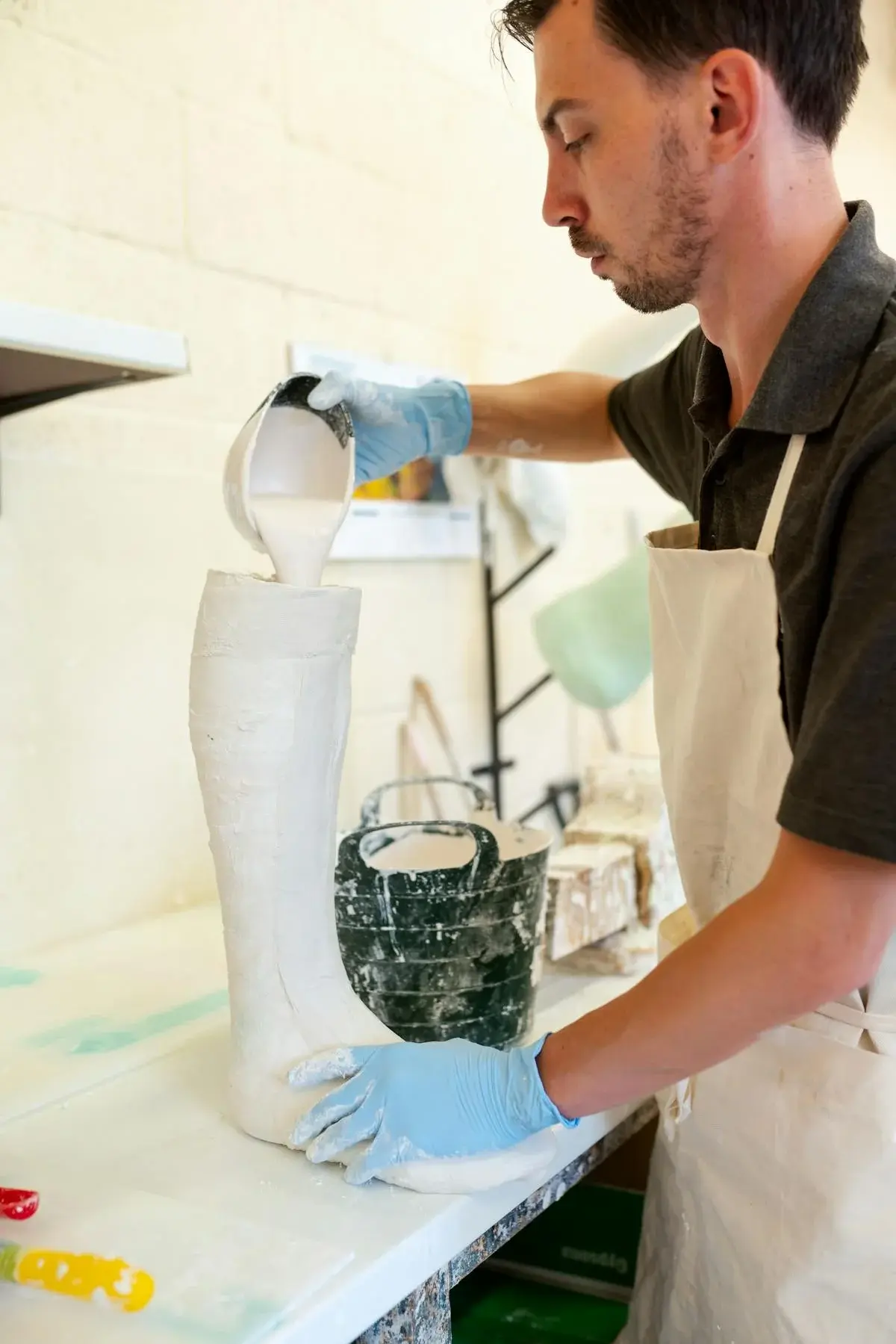
Once your orthotist determines that custom orthotics may be suitable, the next step involves capturing a precise three-dimensional model of your feet.
3D scanning uses advanced optical technology to create a digital model of your foot shape. The process typically takes just 60 seconds per foot and is completely non-invasive. Many people find it more comfortable than traditional methods as it requires no physical contact with casting materials.
Traditional casting involves creating a plaster mould of your foot. While this method has been used successfully for decades, 3D scanning offers advantages in comfort, speed, and the ability to digitally modify and store your foot profile.
Foot impression involves pressing your foot into foam to capture the shape of the sole of your foot. It is typically cleaner and faster than casting, but can be uncomfortable for some people with significant foot pain as it requires some pressure to be applied to the top of your foot to press it into the foam.
All methods aim to capture your foot structure accurately so the orthosis can be designed to match your individual anatomy.
3. Design and Fabrication
After capturing your foot measurements, your orthotist uses computer-aided design (CAD) software to create the orthotic prescription. This digital design process allows precise control over:
- •Arch support height and contour
- •Heel cup depth and angle
- •Forefoot posting and cushioning
- •Material selection based on your weight, activity level, and requirements
- •Modifications for specific pressure relief or biomechanical correction
The design is then manufactured using computer-aided manufacturing (CAD/CAM) technology. Depending on the orthotic type and materials specified, fabrication methods may include:
- •Precision milling from composite materials
- •Heat moulding of thermoplastic shells
- •Layering of cushioning and corrective elements
- •Addition of top covers in moisture-wicking or antimicrobial materials
This fabrication process typically takes 7–10 days, though timelines can vary based on complexity and laboratory schedules.
4. Fitting and Initial Adjustments
Once your custom orthotics are ready, you'll return for a fitting appointment. Your orthotist will:
- •Place the orthotics in your footwear to check fit and function
- •Observe your gait with the orthotics in place
- •Check for any pressure points or discomfort
- •Make immediate adjustments if needed
- •Provide guidance on the break-in period and wearing schedule
Most people require a gradual break-in period when starting to wear custom foot orthotics. Your orthotist will recommend a wearing schedule that typically starts with a few hours per day and gradually increases as your feet adapt to the new support.
5. Follow-up Care and Adjustments
Custom orthotic fitting is rarely perfect on the first attempt. Follow-up appointments allow your orthotist to make refinements based on your experience wearing the devices in real-world conditions.
These adjustments might include:
- •Reducing areas of excessive pressure
- •Modifying arch height if tolerance is an issue
- •Adjusting posting angles for improved biomechanical effect
- •Changing top cover materials for better comfort
Your orthotist will typically schedule follow-up appointments at 1–2 weeks after initial fitting, and again as needed until the orthotics are functioning optimally.
Tip: 3D scanning typically takes just 60 seconds per foot and is completely non-invasive. Many clients find it more comfortable than traditional plaster casting methods.
Important: Most clients require 1–2 follow-up appointments after receiving their custom orthotics to fine-tune the fit and make minor adjustments. This is a normal part of the process.
Benefits of Custom Orthotics
While individual results vary, custom orthotics may offer several advantages over prefabricated options for many people.
- Precision fit: Custom orthotics are designed to match your specific foot shape, accounting for variations in arch height, foot width, heel alignment, and forefoot structure that generic devices cannot address.
- Biomechanical optimisation: The orthotic prescription can be tailored to address your individual gait patterns, whether you need support for overpronation, supination, leg length discrepancy, or other biomechanical considerations.
- Material customisation: Your orthotist can select materials based on your body weight, activity demands, and comfort preferences. Athletes might benefit from firmer, more responsive materials, while others may require softer, more cushioning options.
- Accommodation of foot conditions: Custom orthotics can be designed to accommodate bunions, hammertoes, corns, calluses, or areas requiring pressure relief while still providing necessary support.
- Durability and longevity: Custom orthotics made from high-quality materials typically last 2–5 years with proper care, potentially offering better value over time compared to frequently replacing prefabricated inserts.
- Ongoing professional support: Working with an orthotist means you have access to adjustments, modifications, and professional guidance throughout the life of your orthotics.
Technology in Custom Orthotics: 3D Scanning Advantages
Modern orthotic practices increasingly use 3D scanning technology to capture foot measurements. This approach offers several advantages over traditional casting methods.
- Speed and convenience: Digital scanning typically takes less than two minutes for both feet, compared to 15–20 minutes for traditional plaster casting.
- Comfort: There's no physical contact with wet casting materials, no waiting for plaster to set, and no need to hold your foot in a specific position for extended periods.
- Accuracy: Digital scans capture thousands of measurement points, creating a highly detailed three-dimensional model of your foot contour.
- Digital storage: Your foot profile is saved digitally, making it easier to create replacement orthotics in the future without needing to repeat the scanning process.
- Design flexibility: CAD software allows your orthotist to make precise modifications to the scan before fabrication, optimising the orthotic design for your specific needs.
- Environmental considerations: Digital workflows reduce material waste associated with traditional casting methods.
While both scanning and casting methods can produce effective custom orthotics when performed by skilled practitioners, many clients appreciate the efficiency and comfort of the digital scanning process.
Conditions That May Benefit from Custom Orthotics
Custom orthotics may be suitable for people experiencing various foot and lower limb conditions. Your orthotist will assess whether custom devices are appropriate for your specific circumstances.
- Plantar fasciitis and heel pain: Custom orthotics may help by providing arch support and reducing strain on the plantar fascia. Individual results vary, and orthotics are typically part of a broader management approach.
- Flat feet (pes planus) or high arches (pes cavus): People with foot structures significantly different from average may find that custom orthotics offer better support than standard insoles designed for typical arch heights.
- Overpronation or supination: Custom orthotics can be designed to address excessive inward or outward foot rolling during gait, depending on your individual biomechanical assessment.
- Diabetic foot care: For people with diabetes, custom orthotics may help with pressure distribution and accommodation of foot deformities. This typically requires specialised assessment and ongoing monitoring.
- Arthritis support: Custom orthotics may provide cushioning and support for people with osteoarthritis or rheumatoid arthritis affecting the feet and ankles.
Important: Your orthotist will assess whether custom orthotics are appropriate for your condition. Not everyone requires custom devices, and your practitioner will recommend the most suitable option based on clinical findings.
If you have complex needs such as severe foot deformities, certain orthotics may be categorised as ankle-foot orthoses (AFOs). You can learn more about different types of ankle-foot orthoses in our comprehensive AFO guide.
Timeline: From Assessment to Delivery
Understanding the typical timeline helps you plan for appointments and set realistic expectations.
Week 1: Initial Assessment
- •Comprehensive clinical evaluation
- •Gait analysis and biomechanical assessment
- •3D scanning or casting
- •Discussion of orthotic options and recommendations
Week 1–2: Design and Fabrication
- •CAD design of custom orthotic prescription
- •Manufacturing using CAD/CAM technology
- •Quality checking before delivery
Week 2–3: Fitting Appointment
- •Initial fitting in your footwear
- •Gait observation with orthotics in place
- •Any immediate adjustments needed
- •Break-in schedule provided
Week 3–5: Break-in Period
- •Gradual increase in wearing time
- •Monitoring comfort and function
- •Noting any areas requiring adjustment
Week 5–6: Follow-up Adjustment
- •Review of your experience wearing the orthotics
- •Refinements and modifications as needed
- •Confirmation of optimal fit and function
Total timeline from initial assessment to finalised custom orthotics is typically 4–6 weeks, though this can vary based on individual circumstances and any modifications required. Please note that this timeline is subject to prior funding approval or privately funded devices, and in the case of foot orthoses only. More complex devices may require a longer timeframe for manufacture and fitting adjustments.
Tip: From your initial assessment to receiving your custom orthotics, the typical timeline is 1–2 weeks. This includes fabrication time and scheduling your fitting appointment.
Cost and Funding Options for Custom Orthotics
The investment in custom orthotics varies based on complexity, materials, and the specific devices prescribed. Understanding funding pathways can help make custom orthotics more accessible.
Funding Pathways
- NDIS funding: If you're an NDIS participant, custom orthotics may be covered under Consumables or Assistive Technology categories, depending on the cost and complexity. Your orthotist can help determine whether custom orthotics are considered reasonable and necessary for your goals and provide the documentation needed for funding applications.
- Private health insurance: Many private health insurance policies offer rebates for custom orthotics under extras cover. Rebate amounts vary significantly between providers and policy levels. Check with your insurer about waiting periods, annual limits, and whether a referral is required.
- DVA coverage: Department of Veterans' Affairs may fund custom orthotics for eligible veterans with service-related conditions affecting their feet or lower limbs.
- Medicare: Medicare does not typically cover custom orthotics for most people. However, people with complex diabetes and established foot complications may access subsidised orthotic services through the Enhanced Primary Care program with appropriate referrals.
- Private payment: If you're paying privately, discuss payment plans with your orthotic provider. Some practices offer payment arrangements to spread the cost over time.
For detailed information about NDIS funding for orthotics and prosthetics, including eligibility criteria and the application process, see our comprehensive NDIS funding guide.
How Align's Custom Orthotic Service Works
Align Prosthetics provides custom orthotic services using 3D scanning technology and CAD/CAM fabrication throughout the Sunshine Coast and South East Queensland. The service includes comprehensive clinical assessment, digital foot scanning, custom design and fabrication, fitting appointments, and follow-up adjustments to optimise comfort and function. NDIS participants can access custom orthotics through their funding plans where deemed reasonable and necessary.
Frequently Asked Questions
How much do custom orthotics cost in Australia?▼
Custom foot orthotic costs typically range from $500 to $900 per pair, depending on complexity, materials, and the specific devices prescribed. NDIS funding may cover custom orthotics for participants where they're deemed reasonable and necessary. Private health insurance extras cover may provide partial rebates, with amounts varying by policy. Your orthotist can provide specific pricing based on your assessment and discuss funding options available to you.
How long do custom orthotics last?▼
Custom orthotics typically last 2–5 years with proper care, though this varies based on your activity level, body weight, and how the orthotics are used. Athletes or people who are particularly active may need replacement sooner due to increased wear. Signs that orthotics may need replacement include visible wear to materials, compression of cushioning layers, cracks in the shell, or changes in how they feel and function. Regular review appointments with your orthotist help monitor orthotic condition.
What's the difference between custom orthotics and shoe inserts?▼
Custom orthotics are prescription devices created following comprehensive clinical assessment, gait analysis, and precise measurement of your individual foot structure. They're fabricated specifically for your biomechanical needs using materials selected for your requirements. Over-the-counter shoe inserts are mass-produced to generic sizing and cannot account for individual variations in foot shape, arch height, or biomechanical patterns. While prefabricated inserts may provide cushioning or basic arch support, custom orthotics offer precision tailored to your specific circumstances.
Do I need a referral for custom orthotics?▼
In most cases, you can book directly with an orthotist without a referral for custom orthotic assessment and fitting. However, having a referral from your GP or medical specialist can be helpful as it provides relevant medical history and may be required for some funding pathways. NDIS participants should check their plan to understand whether prior approval is needed for orthotic services. Private health insurance policies may have specific referral requirements for rebate eligibility, so confirm with your insurer.
How long does it take to get custom orthotics?▼
The timeline from your initial assessment to receiving your custom orthotics is typically 1–2 weeks. This includes the time needed for fabrication and scheduling your fitting appointment. After your fitting, you'll typically have a follow-up appointment 1–2 weeks later to check progress and make any needed adjustments. The total process from first appointment to finalised, comfortable orthotics usually takes 4–6 weeks when accounting for the break-in period and any refinements.
Disclaimer: Individual results vary. This information is educational and does not replace professional medical advice. Consult with a qualified orthotist or prosthetist to discuss your specific needs.
Align Prosthetics provides custom orthotic assessments, 3D scanning, fabrication, fitting, and ongoing support throughout the Sunshine Coast and South East Queensland.
Book Your Custom Orthotic Assessment